March 23, 2026
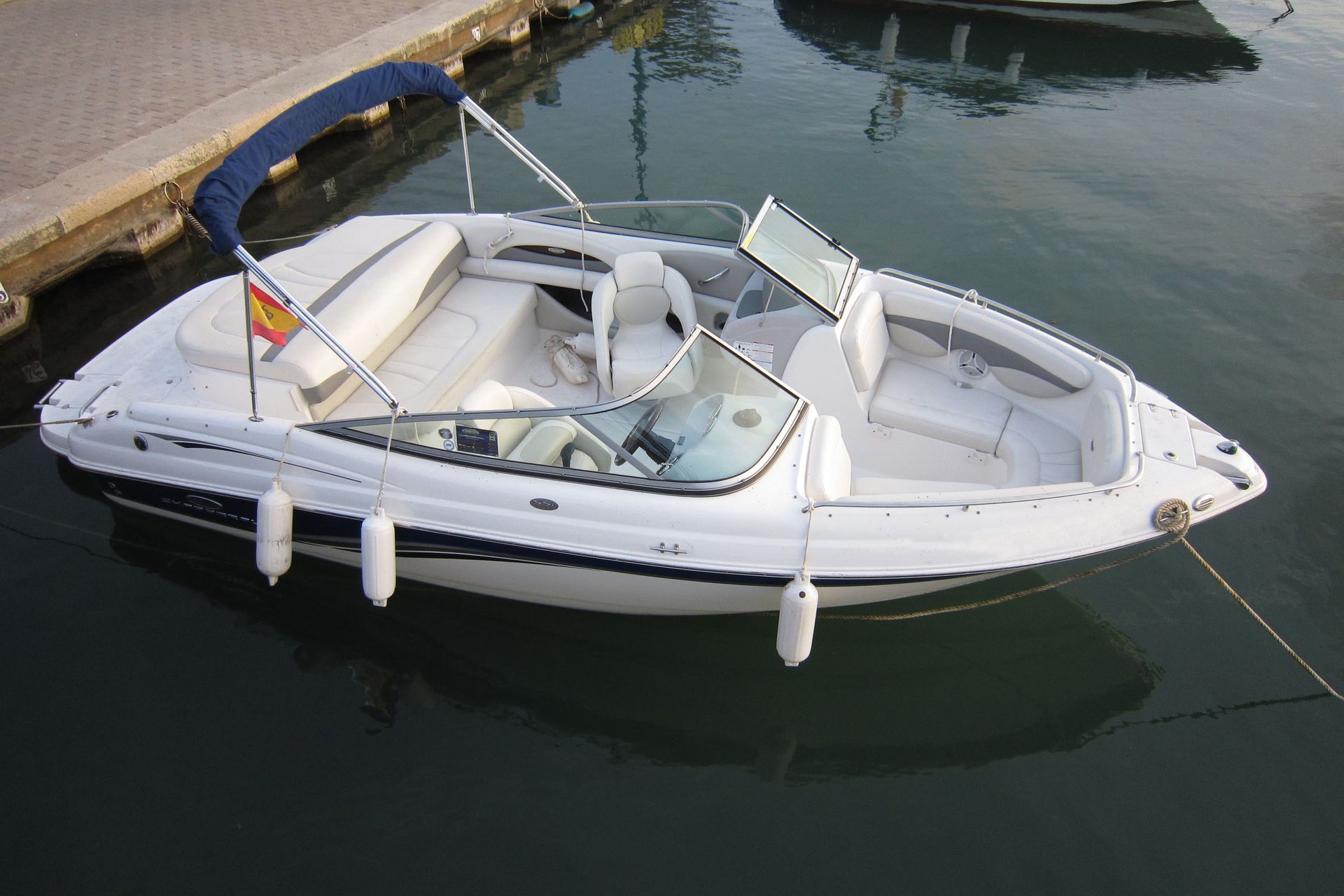
Maintaining your boat's upholstery is crucial for its overall aesthetic, comfort, and functionality. Upholstery in good condition not only makes your boat look appealing but also contributes to comfort and safety while out on the water. That's why it's important to recognize early signs that indicate your boat might need the attention of a marine upholsterer to prevent further damage and maintain its value. Recognizing these signs can save you significant time and money in the long run.
1. Visible Wear and Tear
Fading and Discoloration
The sun's ultraviolet rays can cause significant fading and discoloration to your boat upholstery over time. Sun exposure is one of the most common causes of fading, making materials lose their vibrancy. Boats used frequently in sunny climates are particularly vulnerable to such changes, requiring owners to pay close attention to these signs. Additionally, saltwater and humidity can accelerate the fading process, creating an unattractive, worn-out appearance. Recognizing and addressing discoloration with a marine upholsterer is crucial in preserving the aesthetics and integrity of your boat's interior.
Cracks and Peeling
Cracking and peeling are often signs of aging upholstery that needs attention. These issues stem from various causes, such as prolonged exposure to harsh elements like sun, wind, and water. The materials that make up boat upholstery may deteriorate, leading to unsightly cracks, further escalating by temperature fluctuations that cause expansion and contraction of the material. Addressing these damages can prevent full-scale deterioration from happening. Immediate attention to cracks and peeling helps maintain the boat's aesthetic and functional qualities.
Tears and Holes
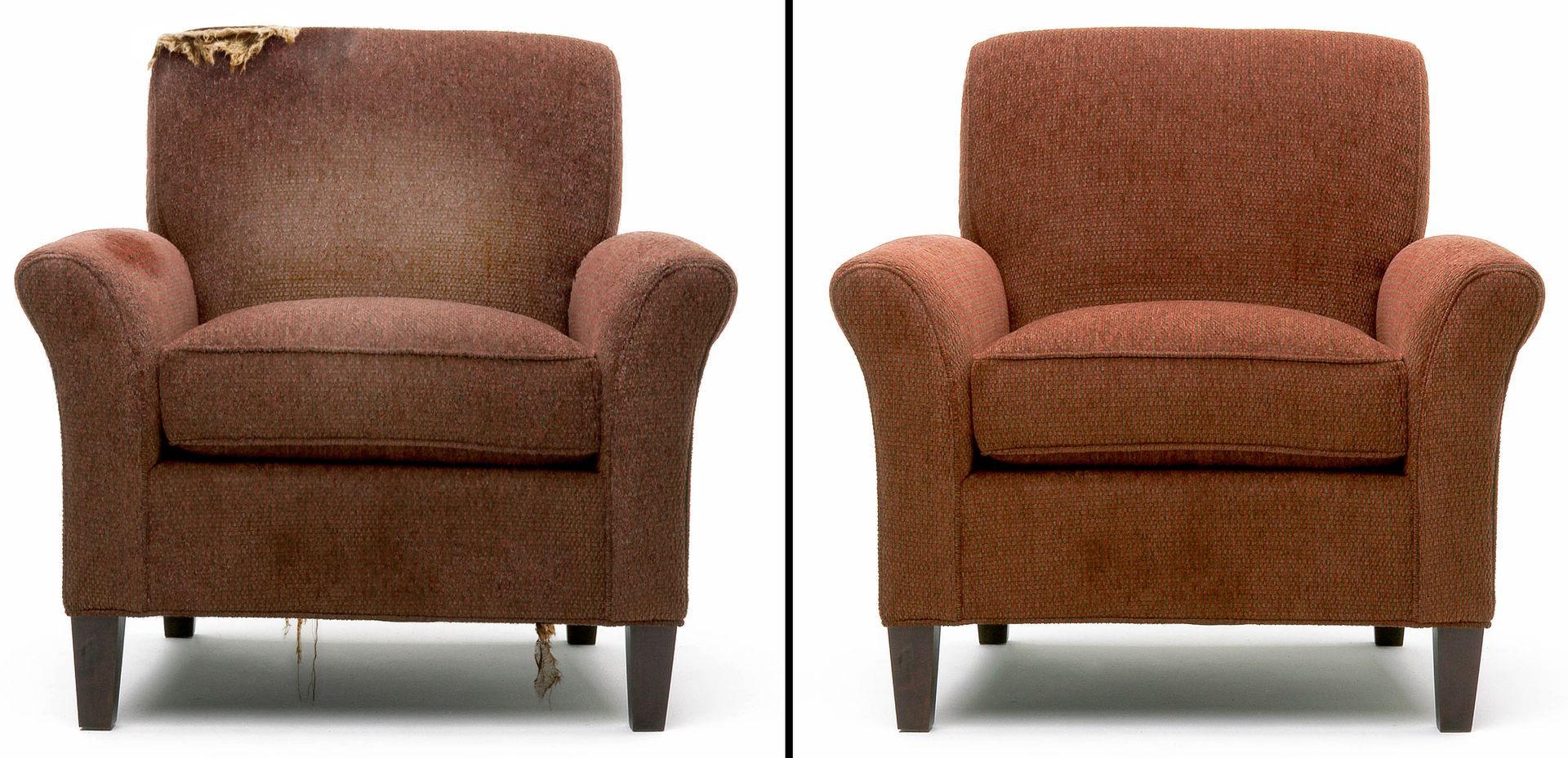
Tears and holes in boat upholstery are often a result of accidental damage, such as sharp objects piercing the fabric or unexpected snags. These damages, albeit seemingly minor, can lead to more severe issues if left unaddressed. Creating measures to prevent such accidents, like using covers and being cautious with gear, prolongs the life of your upholstery. Accidental damage is common, making it necessary for boat owners to inspect upholstery regularly. Addressing tears promptly with a marine upholsterer ensures the functionality and appearance of your boat remain intact.
Sagging and Loss of Shape
Sagging and loss of shape in upholstery can be attributed to several factors, including long-term use and inadequate maintenance. Over time, foam cushions can degrade, leading to sagging shapes that impair the boat's interior aesthetic. Additionally, weight and excessive pressure on seating areas might weaken the upholstery structure, necessitating prompt attention. Discerning signs of sagging early helps in taking corrective actions to prevent further damage. Addressing sagging issues promptly maintains the structural integrity of the seating configurations.
Water Damage and Mildew
Water damage in boat upholstery results from prolonged exposure to leaks, spills, or inundation. Identifying signs of water ingress early helps prevent the onset of mildew and mold, common problems in marine environments. Keeping an eye out for damp spots or discoloration informs timely interventions to mitigate damage. Owners should inspect seams and connections to ensure water-tight integrity, averting mildew development. Water damage requires immediate attention from a marine upholsterer to safeguard the boat's interior and maintain a clean and healthy environment.
2. Uncomfortable or Unsightly Seating
Improving Seating Comfort
Enhancing seating comfort is crucial for a pleasant boating experience. Opting for ergonomic designs can greatly improve user satisfaction and reduce fatigue during extended use. Ergonomically designed seating aligns with the body's natural positions, supporting comfortable postures. Updating seat padding with upgraded foam and cushioning enhances seating comfort significantly. Introducing ergonomic improvements translates into improved experiences, offering added value to everyday use of the boat's interior space.
Enhanced Aesthetic Appeal
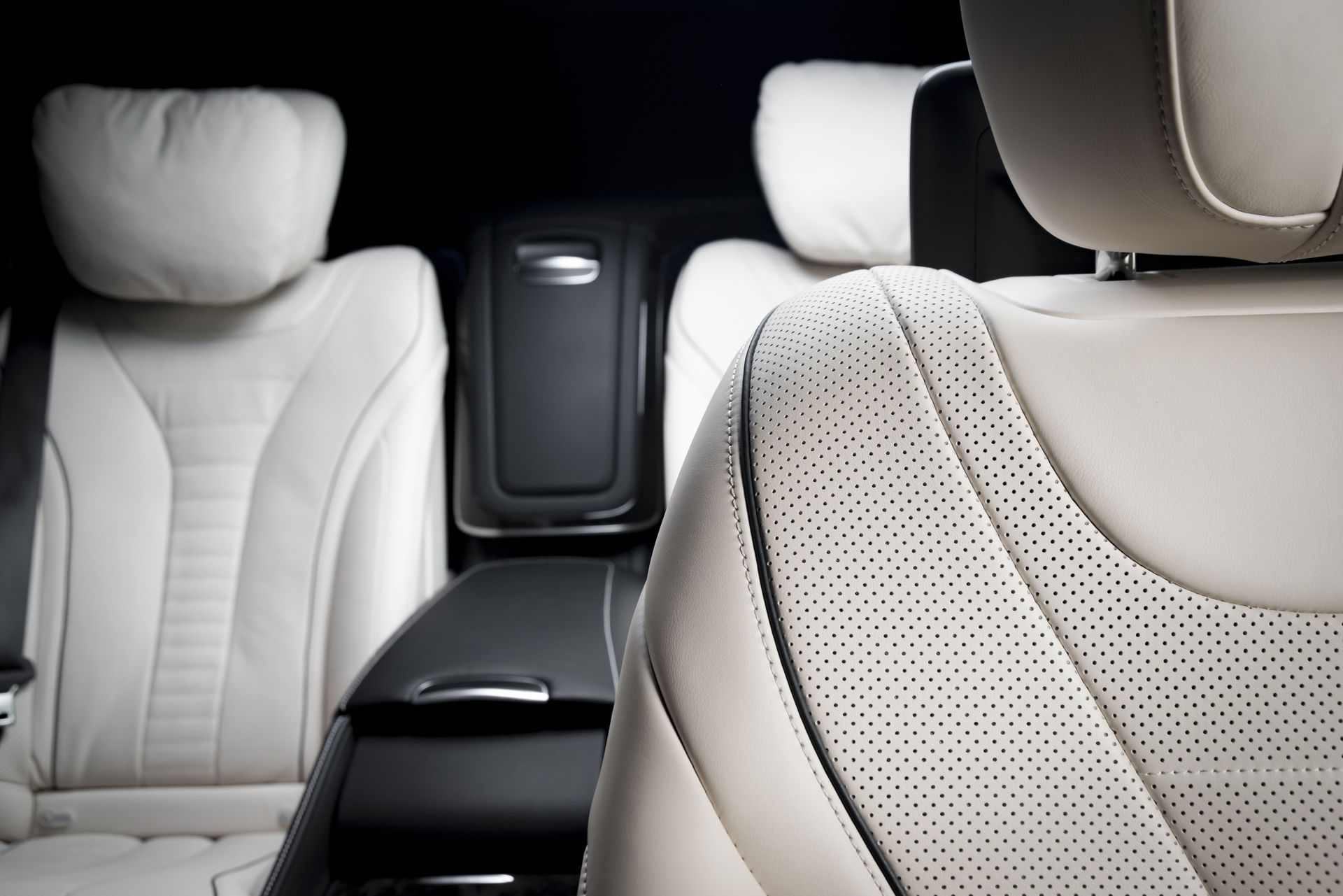
Modern design trends play a pivotal role in determining aesthetic choices for boat upholstery. An updated interior look can significantly enrich the overall aesthetic appeal, keeping up with contemporary styles. Developers constantly evolve innovative designs, colors, and patterns to enhance the upholstery's appearance. Understanding these trends helps achieve a fresh, updated look, harmonizing with broader design preferences. Staying informed about modern design options enables creativity in enhancing the boat's interior.
Color coordination and thematic expressions significantly influence aesthetic appeal, offering extensive customization possibilities. Customized color schemes and material selections allow for a personalized touch, aligning the boat's appearance with individual preferences. Familiarizing yourself with these options helps in tailoring your boat's design to be both personal and contemporary. Implementing cohesive themes elevates the interior aesthetic to a desirable standard, enhancing visual appeal and marketability. Customized interiors balance personal expression with market trends, boosting the boat's attractiveness.
Contribution to Overall Value
Investing in enhanced upholstery directly impacts the overall valuation of a boat. Updated upholstery often signifies attention to detail and care, aligning with buyer interests. With sharper, more ergonomically sound interiors, prospective buyers see the vessel as a worthwhile investment, possibly encouraging competitive pricing. Considering the impact of upholstery upgrades is crucial for evaluating the boat's market position. Consistent updates leverage the vessel's marketability, offering extended ownership benefits.
Structural Damage
Recognizing upholstery-induced structural damage early helps maintain built integrity and appearance. According to RecNation RV & Boat Storage, a boat can last over 30 years with proper care, and routine upkeep of upholstery is an essential aspect of maximizing your boat's longevity. Certain upholstery conditions could correlate with more serious structural flaws, affecting safety and quality standards. Identifying these issues necessitates timely interventions to address grips and avoid further deterioration. Correlation evaluations between visible damage signs and underlying weaknesses offer a clear approach to preservation. Structural integrity relies heavily on upholstery conditions; aligning these aspects ensures the vessel remains safe and aesthetically pleasing.
Multi-dimensional repair and renovation strategies address both the cosmetic and underlying structural issues. Incorporating progressive designs with high-quality materials strengthens resilience and usability under typical marine conditions. Owners must adopt preventive measures to protect against potential structural weaknesses and performance compromises. Regular inspections underscore important areas, guiding necessary interventions successfully. Applying appropriate strategies maintains structure while enhancing usability and visual appeal optimally.
3. Frequent Cleaning Necessities
Constant Need for Cleaning Indication
A constant need for cleaning often indicates deteriorating upholstery, suggesting that an update may be required. Persistent dirt adherence signifies declining fabric quality, possibly attributed to age or improper material types. Identifying and addressing continual grime and dirt serves as an essential filter for upholstery readiness. Owners may find that materials requiring incessant cleaning lack the adequate properties desired for marine use. A consistently dirty interior justifies the consideration of changing the upholstery, preserving the boat's comfort and aesthetics.
Odor Retention Issues
Odor retention is a recurring problem in boat upholstery, often indicating mold, mildew, or improper maintenance. Persistent smells warrant a thorough investigation, typically signifying deeper issues within the upholstery materials. Owners facing unpleasant odors should focus on addressing root causes such as moisture, which fosters mildew and mold proliferation. Simple cleaning solutions may not suffice, demanding a professional approach to completely eradicate odor at its source. Persistent, stubborn stenches necessitate interventions addressing base upholstery problems.
Paying attention to the condition of your boat's upholstery plays a major role in preserving both comfort and value. Signs such as fading, cracks, tears, sagging cushions, persistent odors, or frequent cleaning needs often indicate that the materials have reached the end of their useful life. Addressing these issues early with a marine upholsterer at Runde Custom Upholstery helps prevent further damage to surrounding structures and keeps the interior environment clean and inviting. Reach out to us today to get started with a free estimate!